
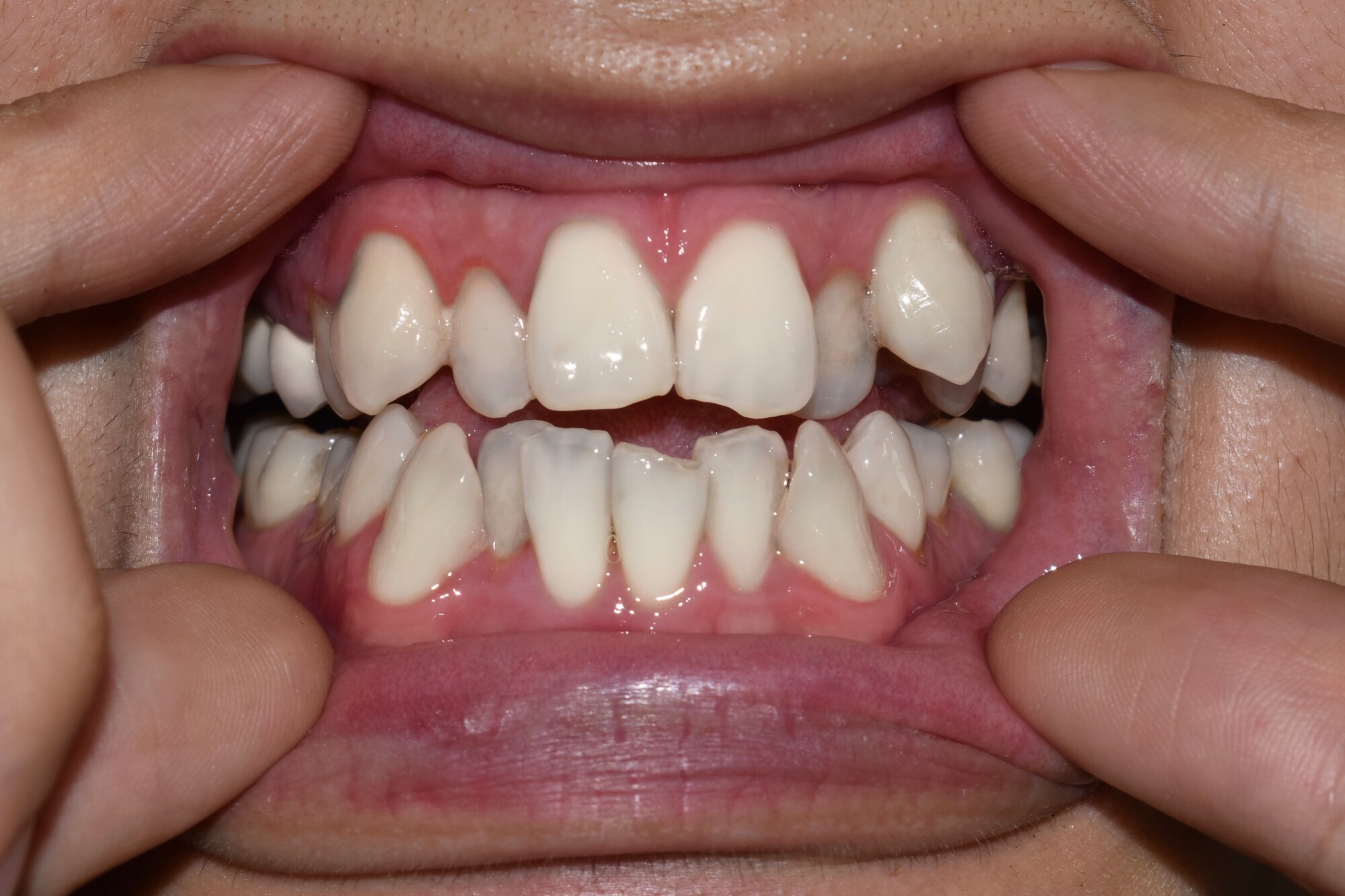
Crowded teeth are more than just a cosmetic concern—they’re often a sign of underlying issues with jaw development, tooth eruption, or oral habits. For many patients in Edmond, OK, crowding can make it harder to keep teeth clean, affect bite function, and even lead to long-term dental problems if left untreated.
At Farrow Orthodontics, Dr. Farrow helps patients of all ages understand the root causes of crowding and choose the right orthodontic treatment to create a healthier, more balanced smile. If you’ve ever wondered why teeth become crowded in the first place, here’s what you should know.
What Does “Crowded Teeth” Really Mean?
Crowded teeth occur when there isn’t enough space in the jaw for all permanent teeth to align properly. Instead of erupting in a straight line, teeth may overlap, rotate, or become displaced forward or backward.
This lack of space doesn’t happen randomly. In most cases, it’s the result of how your teeth and jaws develop over time. Patients searching for an orthodontist in Edmond often discover that crowding is tied to factors that began years earlier—even in childhood.
Genetics and Jaw-Tooth Size Mismatch
One of the most common causes of crowded teeth is genetics. You may inherit a jaw that is too small to accommodate the size of your teeth, or vice versa. This mismatch between tooth size and jaw space is a primary driver of crowding.
For example, if larger teeth erupt into a smaller jaw, they have no choice but to overlap or twist. Similarly, if jaw growth is limited during development, even average-sized teeth may not have enough room.
This is why family history matters. If parents or siblings needed braces or had crowded teeth, there’s a higher likelihood similar patterns will appear. Early evaluations with an orthodontist in Edmond can help identify these risks before crowding becomes more severe.
Jaw Development and Airway Considerations
Modern orthodontics looks beyond just teeth—it also considers how the jaws develop and how that impacts breathing and overall health. A narrow or underdeveloped upper jaw can reduce available space for teeth, increasing the likelihood of crowding.
In some cases, jaw development is influenced by airway factors, such as mouth breathing or improper tongue posture. When the tongue doesn’t rest properly against the roof of the mouth, it can fail to support normal jaw expansion, leading to a smaller arch and less room for teeth.
For Edmond patients, this means that crowded teeth may be connected to broader developmental patterns—not just isolated alignment issues.
Premature Loss of Baby Teeth
Baby teeth act as natural placeholders for permanent teeth. When they are lost too early due to cavities, trauma, or extraction, neighboring teeth can drift into the open space. This reduces the room available for permanent teeth to erupt in the correct position.
As a result, permanent teeth may come in crooked, blocked, or crowded. This is one of the most preventable causes of crowding, which is why early dental and orthodontic care is so important.
Parents exploring orthodontics for kids in Edmond often benefit from early monitoring, which allows space issues to be addressed before they turn into more complex alignment problems.
Delayed Loss of Baby Teeth
While losing baby teeth too early can cause crowding, losing them too late can create problems as well. When permanent teeth begin erupting while baby teeth are still in place, they may be forced to come in at awkward angles or outside the normal arch.
This can lead to overlapping teeth or a “double row” appearance, especially in the lower front teeth. Over time, this misalignment can worsen without orthodontic intervention.
Impacted or Ectopic Eruption
Sometimes teeth don’t erupt where they’re supposed to. Impacted teeth remain trapped beneath the gums, while ectopic teeth erupt in the wrong position entirely.
These situations can block other teeth from coming in properly, forcing them into crowded or misaligned positions. This is especially common with canines and wisdom teeth, but it can affect other teeth as well.
Orthodontic imaging and evaluations help identify these issues early, allowing for a more precise treatment plan.
Oral Habits That Influence Alignment
Certain childhood habits can place pressure on developing teeth and jaws, contributing to crowding over time. Prolonged thumb sucking, pacifier use, and tongue thrusting can all alter the natural balance of forces in the mouth.
These habits can narrow the dental arch or push teeth out of alignment, reducing available space. Even subtle habits, like chronic mouth breathing, can influence jaw development and increase the risk of crowding.
For many patients in Edmond, addressing these habits early can make a significant difference in long-term orthodontic outcomes.
The Role of Wisdom Teeth
Wisdom teeth often get blamed for crowding, and while they aren’t always the primary cause, they can contribute to shifting—especially in already tight spaces.
As wisdom teeth attempt to erupt, they may place pressure on surrounding teeth. In patients with limited space, this can worsen existing crowding or contribute to relapse after orthodontic treatment.
An orthodontist will monitor wisdom teeth development and determine whether removal is necessary as part of a long-term plan.
Why Crowded Teeth Shouldn’t Be Ignored
Crowded teeth can make daily oral hygiene more difficult, increasing the risk of plaque buildup, cavities, and gum disease. When teeth overlap, it’s harder to brush and floss effectively, allowing bacteria to accumulate in hard-to-reach areas.
Beyond oral health, crowding can also affect how your bite functions. Misaligned teeth may lead to uneven wear, jaw strain, or discomfort when chewing. Over time, these issues can impact both dental health and overall quality of life.
Addressing crowding with orthodontic treatment in Edmond isn’t just about aesthetics—it’s about improving function, health, and long-term stability.
Treatment Options for Crowded Teeth
The right treatment depends on the severity and underlying cause of the crowding. At Farrow Orthodontics, Dr. Farrow creates personalized plans designed to address both the symptoms and the root cause.
Braces are often recommended for moderate to severe crowding, as they provide precise control over tooth movement. For patients seeking a more discreet option, Invisalign offers clear aligners that can effectively treat many cases of crowding.
In growing patients, early orthodontic treatment may include expanders or space-maintaining appliances to guide jaw development and create room for incoming teeth. In select cases, removing a tooth may be recommended to relieve severe crowding and achieve proper alignment.
Each approach is carefully tailored to ensure long-term results and a stable, healthy smile.
When to See an Orthodontist in Edmond
If you notice signs of crowding—such as overlapping teeth, difficulty flossing, or teeth shifting over time—it’s important to schedule an evaluation. Early diagnosis allows for more conservative and efficient treatment.
Children should have their first orthodontic evaluation by age 7, but it’s never too late for adults to explore their options. Many patients in Edmond are choosing orthodontic care later in life and seeing meaningful improvements in both function and appearance.
Schedule a Consultation with Farrow Orthodontics
Crowded teeth don’t develop overnight—they’re the result of a combination of genetic, developmental, and environmental factors. The key to effective treatment is understanding those causes and addressing them with a personalized approach.
If you’re looking for a trusted orthodontist in Edmond, Farrow Orthodontics is here to help. Dr. Farrow proudly serves Edmond and surrounding communities with advanced solutions, including braces and Invisalign, designed to fit your lifestyle and goals.
Contact Farrow Orthodontics today to schedule your consultation and take the first step toward a healthier, more confident smile.